This year has been one of reckoning: DC protesters bringing down statues of Confederate generals, activists toppling the statue of Edward Colston in Bristol, the Fairfax County School Board electing to rename Robert E. Lee High School after the late US Rep. John R. Lewis.
Throughout the globe, we are seeing citizens engaged in conversations and committed to actions that reexamine their nation’s zeitgeist, their morals, their prejudices, and their beliefs. In this sense, the removal of statues and renaming of institutions can be construed as something positive. These acts reflect a community willing to come together and collectively drive forward a narrative that for too long has stood stubbornly and unchallenged. This is not an act of erasure or denying culture, but of writing a new chapter of history. Thus, the lack of statues means as much as their presence. Both tell us about what society deems acceptable and what is congruent with its values.
However, this is not the case in some regions around the world. The changing landscape of a nation is not always a process led by the people. The Syrian humanitarian crisis has brought the fall of many pieces of history and culture crucial to the country’s story. Though less impactful than the loss of life and futures, it cannot be ignored. These sites, artworks, pillars, and effigies displayed Syria’s rich history, its respect for past cultures that shaped it, its ingenuity, and its people’s potential for self-actualization. Their loss forces the Syrian community to question how it can honor its history and how the story of the crisis will be written. When faced with worsening global humanitarian crises, human rights abuses, and deadly pandemics, how can we also stop and think about how to talk about and remember this time of loss and reckoning?
We at Karam know the power of “home” and of feeling connected to a shared culture. These beliefs are reflected in our homage to the colors of Syria. While education and empowerment is our primary goal, we recognize that we must also preserve a culture — through stories of Syrian survivorship or collecting traditional products hand-crafted by refugees.
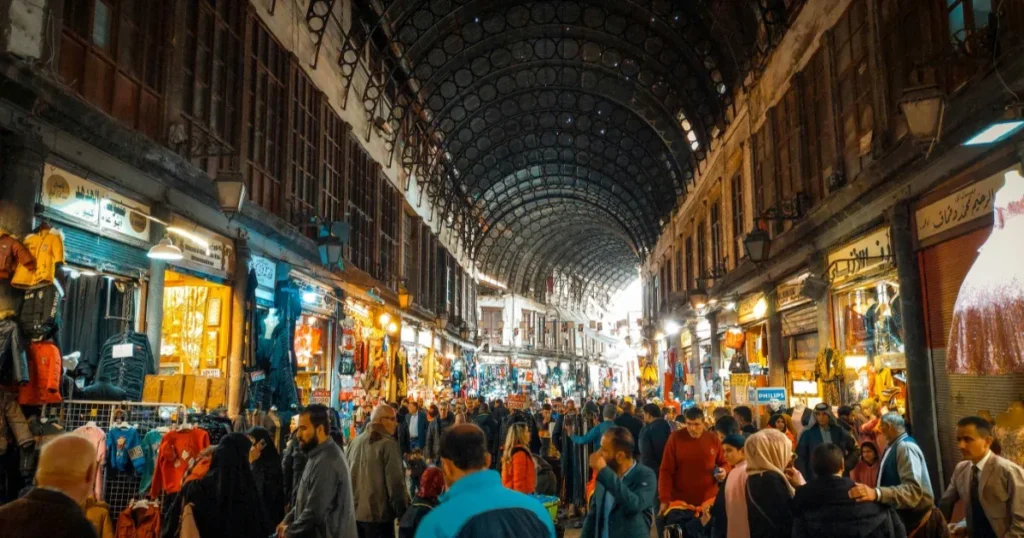
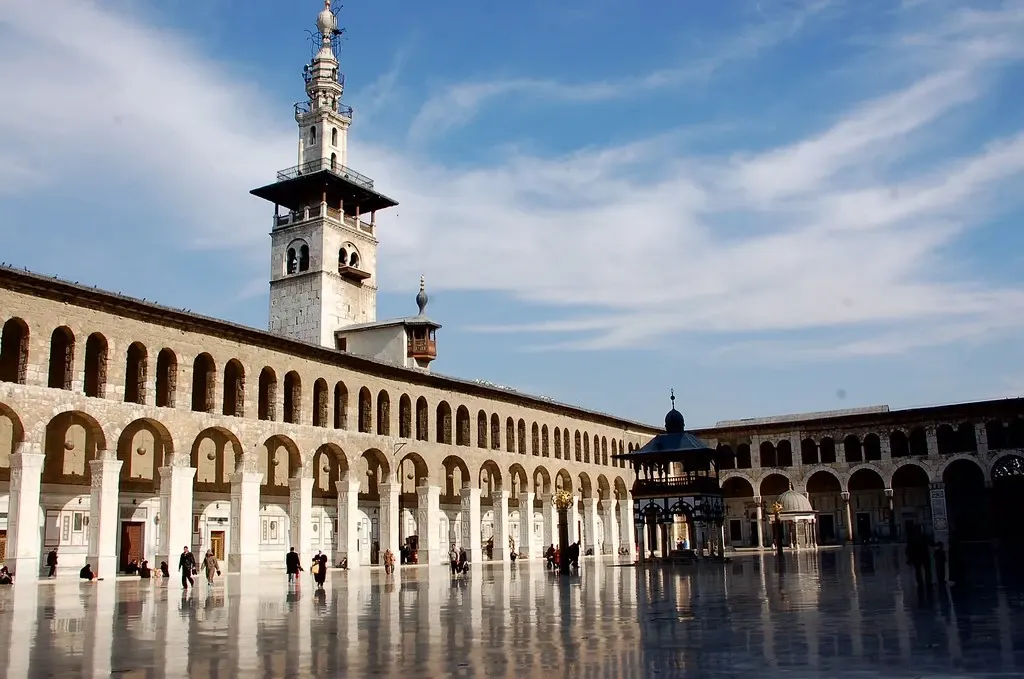
When it comes to respecting the lives of Syrian refugees, it’s important to remember that they too could pray in their places of worship, visit museums, historical sites, and galleries, and browse items at souks in their home country not many years ago. They too have a heritage that they were and continue to be proud of. We must strive to resist efforts that erase that history and instead find new ways to preserve and honor it.