
Meet Our Young Leaders
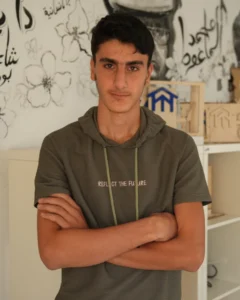
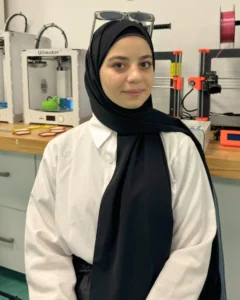
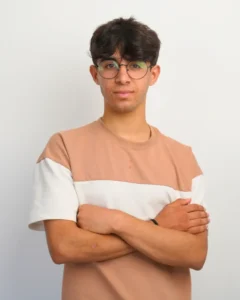
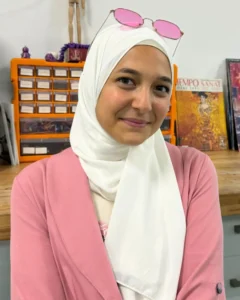
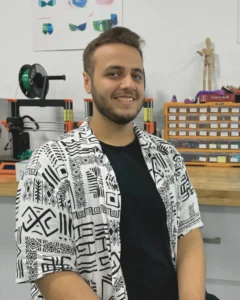
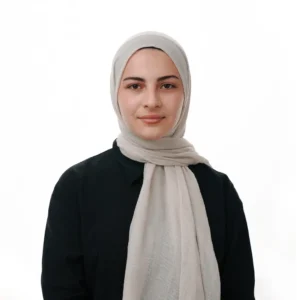
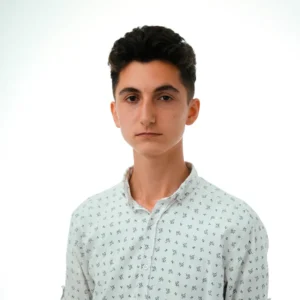
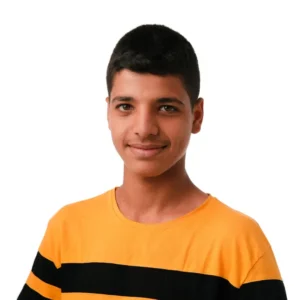
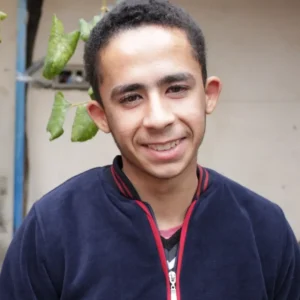
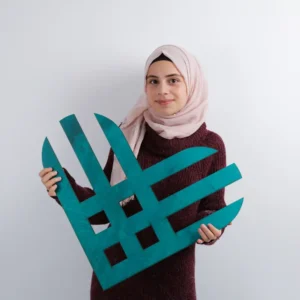
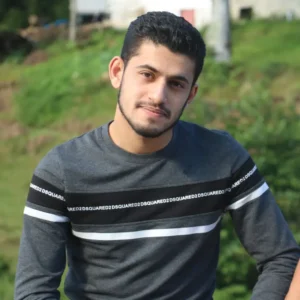
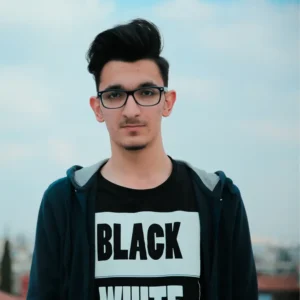
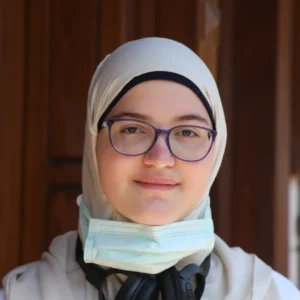
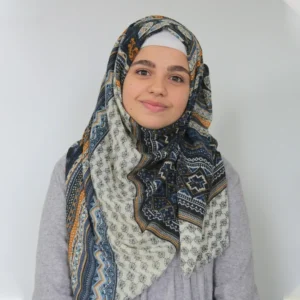
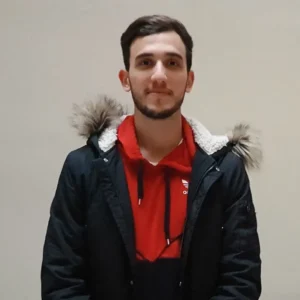
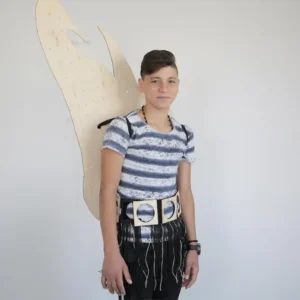
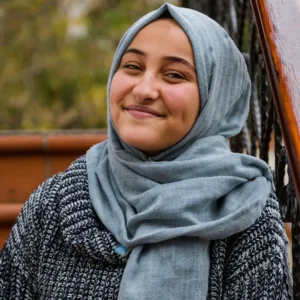
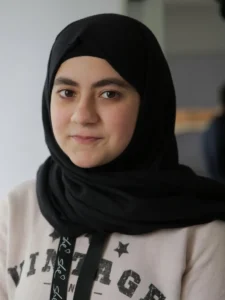
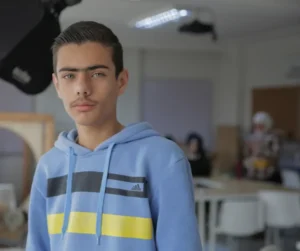
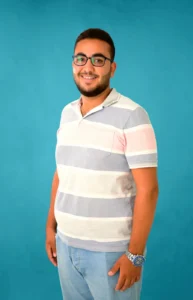
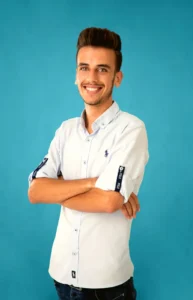
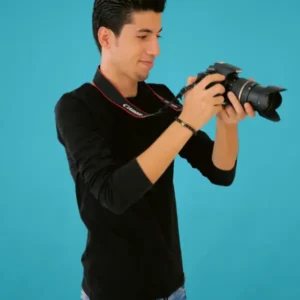
Yasser Khoulani
From Code to Cosmics
When I was ten, my world collapsed—literally. My father was out with friends in Damascus when an airstrike hit. The blast sent a wall crashing down on them. He didn’t survive.
When I was ten, my world collapsed—literally. My father was out with friends in Damascus when an airstrike hit. The blast sent a wall crashing down on them. He didn’t survive.
I didn’t fully grasp what had happened, only that my life split into a ‘before’ and an ‘after.’ The ‘before’ was my home, my father’s voice, the steady rhythm of childhood. The ‘after’ was leaving it all behind.
From Damascus, we moved to Idlib, then to a camp in Atmeh in Northern Syria, before finally crossing into Turkiye. My mother grieved. I tried not to. As the eldest son, I had to be strong, but there were moments when the weight of it all pressed down like that collapsing wall in Damascus.
For a long time, I thought of survival as the end goal. Get through today. Figure out tomorrow when it comes. But then, something shifted.
It started with a question: What if I could build something instead of just making it through?
I had always been fascinated by computers, though most of what I knew came from watching YouTube videos on borrowed screens. I had tried coding on my own, but without guidance, it felt like trying to build a bridge without knowing where the first plank should go. Then I heard about a place where kids were learning programming, robotics, and design. A space filled with tools I had only seen in videos—fast computers, laser cutters, 3D printers. It sounded unreal.
When I walked into Karam House for the first time, I wasn’t sure what to expect. But I remember this: the air buzzed with ideas. The people inside weren’t just waiting for life to happen to them—they were creating it, and I wanted in.
At first, the programming courses intimidated me. Python. Typhoon. Loops and variables that didn’t make sense—until suddenly, they did. I wasn’t just learning how to code; I was learning how to think differently. My team and I built Cosmic, a game where I programmed the players, obstacles, and mechanics. I could see my ideas come to life on a screen, and for the first time in years, I felt like I was moving forward, not just holding on.
But Karam House wasn’t just about learning a skill. One day, I watched someone working on a laser cutter and stood back, curious. Instead of ignoring me, they asked, “Want to try?” That was the kind of place it was—where every curiosity had room to grow, where no one treated you like a refugee first.
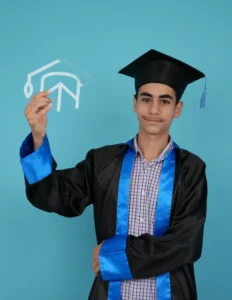
Now, as I prepare for graduation, I see the road ahead differently. I’m not just the boy who survived a war. I am a programmer. A builder. Someone who can create instead of just endure.
To those who make spaces like this possible: You’re not just keeping the lights on. You’re sparking something that lasts far beyond these walls.
My name is Yasser Khoudani. I am not just a refugee—I am a creator, programmer, and a dreamer. And you know what? This is only the beginning.
Maram Karazoun
From Quiet Dreams to Bold Realities
When I first saw a post about Karam House on Instagram, I was sitting in my room, scrolling mindlessly, not expecting to find the very thing that would change my life. But there it was— a post showing kids building robots, laughing together, and having a good time. I paused, stared at the screen, and felt something I hadn’t felt in a long time: hope.
When I first saw a post about Karam House on Instagram, I was sitting in my room, scrolling mindlessly, not expecting to find the very thing that would change my life. But there it was— a post showing kids building robots, laughing together, and having a good time. I paused, stared at the screen, and felt something I hadn’t felt in a long time: hope.
I didn’t think I’d actually be able to join in. Opportunities like this always felt so far out of reach for someone like me. But I clicked the link, filled out the application, and told myself, Why not? To my surprise, a few weeks later, I got the email: I was in! My friends Bara’a, Hiba, and I had all been given the chance to be part of something extraordinary.
Walking into Karam House for the first time was like stepping into a completely different world. The space was alive with creativity, laughter, and collaboration. I was directed to join the Social Robots group. I walked over, excited but nervous all at once. My hands trembled as I introduced myself to my team.
Before Karam House, I would have avoided group projects entirely, staying quiet in the back of the room. But here, something was different. Right as I said hello, the others shifted to make space for me, their faces open and inviting. Someone asked for my thoughts, and though my heart pounded, I hesitantly shared an idea. They nodded, encouraging me to keep going.
As we started building the robot together, I found myself speaking up more, laughing along with the group when things didn’t go as planned. For the first time, I didn’t feel like I had to be perfect to fit in—I just had to show up.
Through studios about programming and photography, I learned about my interests and what I’m passionate about. I’d heard of programming before but never thought it would be something I’d enjoy. I got the chance to try it out, and I realized it’s something I could see myself doing in the future. Now, I’m considering studying programming at university—something I never thought was possible.
Karam House didn’t just teach me new skills; it taught me that failure isn’t the end—it’s just another step in the journey. When an idea didn’t work in studios, the mentors encouraged me to try again, to look for another way forward. They helped me see that challenges are opportunities in disguise, and that mindset has transformed everything for me.
When I think about the person I was before Karam House and the person I am today, the difference is staggering. I’ve gone from being shy and unsure to confident and hopeful. I’ve learned to speak my mind, embrace my ideas, and dream boldly about the future.
Looking back as a graduate, I feel a deep gratitude for Karam House. It’s so much more than a space—it’s a home where young people like me can transform fear into courage, hesitation into determination, and dreams into reality.
And now, with everything I’ve learned and experienced, I’m ready to face whatever comes next.
Mohamad Hasan
Opening Doors
When I was seven years old, my father was killed in an airstrike. I still remember the moment we heard the news—how my world changed forever. My father’s death forced me to grow up quickly. As the eldest, I became responsible for my family. We stayed in our home in Raqqa, Syria, even as the bombings intensified, holding onto hope that things would get better. Eventually, however, the destruction became too much, and we had no choice but to leave everything behind.
When I was seven years old, my father was killed in an airstrike. I still remember the moment we heard the news—how my world changed forever. My father’s death forced me to grow up quickly. As the eldest, I became responsible for my family. We stayed in our home in Raqqa, Syria, even as the bombings intensified, holding onto hope that things would get better. Eventually, however, the destruction became too much, and we had no choice but to leave everything behind.
For three years, we moved from place to place inside Syria—from Raqqa to Deir ez-Zor, and finally to my mother’s village in rural Aleppo. Life was uncertain, and every day was a struggle. In 2021, my uncle in Turkiye suggested that we flee Syria altogether. My mother was reluctant; she didn’t want to leave her family behind. But we knew we needed safety and a future, so we made the difficult journey to Turkiye.
Starting over in Turkiye was harder than I imagined. We lived in a shelter for orphans where the rules were strict, and freedom felt like a distant memory. I couldn’t work, and I had to start my education from scratch because my school certificates from Syria weren’t recognized. It felt like I had lost everything—my home, my father, and even my sense of self.
But then, I found Karam House.
When I first heard about Karam House, I didn’t know what to expect. Friends told me it was a place where you could learn and work on projects, but I never imagined how transformative it would be. From the moment I walked in, I felt something I hadn’t felt in years: hope. Karam House wasn’t just a place to study; it was a place where I could dream again.
One of the studios that impacted me the most was “Emotive Gateways.” It was here that I worked on a project called Emotional Mechanism Doors, which became one of my favorite accomplishments. In this project, I designed doors that moved to represent different emotions like trust, attraction, or indifference. To bring these feelings to life, I carefully chose mechanisms like circular gears, linear gears, and half-circle gears to control the movement of the doors. Each design was crafted using Rhino software, through which I meticulously planned the motion to reflect the emotions I wanted to portray. After finalizing the design, the pieces were laser-cut, and I assembled the doors to create a tangible representation of these emotions. It was a deeply creative and technical process, and seeing the finished product gave me a sense of pride and fulfillment I hadn’t experienced before.
The workshops, the mentors, and the friends I made at Karam House helped me rebuild my confidence. I discovered skills I didn’t know I had—like designing apps, working with technology, and translating emotions into innovative designs. Every project I completed reminded me that I still had a future and that I could still create something meaningful.
Now, as I look ahead, my dreams are clearer. Education is my priority. My mother always says we’d rather go hungry than give up on learning. I want to continue growing, not just for myself but for my family. I want to be an example for my younger siblings and a source of pride for my mother.
Karam House gave me a second chance at believing and dreaming. Next year will be my last year in high school, and I plan to continue my education and go to college.
Karam House is a sanctuary, a place where young people like me can find their voice, their purpose, and their strength. I will always carry these lessons I learned here when I return to rebuild Syria. I belong to Syria and dream of returning when things are stable.
Bara’a Assleh
Rekindling Dreams
At 17, Bara’a Asleh stood on the cusp of graduation, looking back on a journey that had transformed her in ways she couldn’t have imagined. Growing up in a world marked by loss and displacement, she was once a shy girl who feared raising her hand in class, hesitant to share her thoughts. But Karam House changed everything. It became her sanctuary, her creative playground, and a space where she could uncover her potential, piece by piece.
At 17, Bara’a Asleh stood on the cusp of graduation, looking back on a journey that had transformed her in ways she couldn’t have imagined. Growing up in a world marked by loss and displacement, she was once a shy girl who feared raising her hand in class, hesitant to share her thoughts. But Karam House changed everything. It became her sanctuary, her creative playground, and a space where she could uncover her potential, piece by piece.
When Bara’a first entered Karam House, she had only a flicker of confidence. She hadn’t envisioned the transformation waiting for her. Through a series of workshops and hands-on projects, she stepped out of her comfort zone. One project, in particular, left a deep mark on her—designing a “time capsule” kit to help young children overcome their fear of visiting the dentist. It wasn’t just a Karam project; it was personal. Years ago, Bara’a had promised her father, who suffered from dental issues due to diabetes, that she would become a dentist one day. But when he passed away, her dream felt lost with him.
At Karam House, that dream resurfaced, but this time it was different. With mentors encouraging her to persevere and a community that made her feel safe, she began to dream again. The mentors at Karam House, like Kardeline, inspired her to believe nothing was impossible. In a place where failure was merely a stepping stone, she grew resilient, learning to try again after each setback. She learned that, with the right guidance and environment, she could achieve what she set her mind to.
Beyond the projects, Karam House nurtured a confidence in Bara’a that she hadn’t known before. It gave her a space to feel free, to feel capable, and to find a voice that had been stifled by years of grief and self-doubt. At Karam, she didn’t feel like the Syrian outsider struggling in a Turkish school environment that often felt unwelcoming. She felt seen, respected, and encouraged to rise above.
As she prepared to leave, Baar’a knew the lessons she learned at Karam House would stay with her for life. To her, Karam wasn’t just a program or a building; it was a lifeline. It had shown her the power of resilience and had rekindled a dream she thought she had lost. Karam House didn’t just provide an education; it gave Bara’a a future to believe in and the courage to pursue it.
Mohamad Hadaya
From Trauma to Triumph
When Mohamed was just 16, walking to a class he was taking in his small town, a group of boys approached him and pushed Mohamad to reveal where he was from. Innocently and proudly, he said he was from Syria, but the answer resulted in a brutal attack. The gang of boys surrounded him, ripped his headphones off, and began beating him mercilessly. Punches to his face, kicks to his back, stomps onto his chest— he was outnumbered and caught off guard. In broad daylight, people passed by, and no one stepped in to help.
When Mohamed was just 16, walking to a class he was taking in his small town, a group of boys approached him and pushed Mohamad to reveal where he was from. Innocently and proudly, he said he was from Syria, but the answer resulted in a brutal attack. The gang of boys surrounded him, ripped his headphones off, and began beating him mercilessly. Punches to his face, kicks to his back, stomps onto his chest— he was outnumbered and caught off guard. In broad daylight, people passed by, and no one stepped in to help.
He finally managed to stumble away and escape, but the attackers pulled him back in again. A series of more punches and kicks followed until a fellow Syrian on a motorcycle intervened and pulled him away. Shocked and confused, Mohamed somehow still continued on his way to get to his class. It wasn’t until his teacher saw him beaten and shaken that the reality of what had happened settled in. The teacher called his father, who then went to the police station to file a report. However, unable to speak Turkish properly, his father was mocked by the officers. Mohamed stood there, feeling powerless, as he watched his father struggle with the officers. Even now, three years later, there’s been no word from the police about his case.
The trauma of that attack stayed with Mohamed. He avoided the route where it happened, changing his walking path to school. He realized he developed a fear of being alone in public. The scars of the attack, both physical and emotional, ran deep.
Then, in 2023, Mohamed found something that changed his life forever. He learned about Karam House, and it was there that he found a place not just to learn but to heal. The moment he stepped into the space, the atmosphere felt different. It was inviting, it was alive, and most importantly, it was safe.
Karam House became a sanctuary for Mohamed. Here, he wasn’t a burden or an outsider. He was a creator, a learner, and part of a community. In studios, he discovered passions that reignited his love for learning, like music and robotics. One of his favorite experiences was building a simulated robot explorer designed for exploration. The project filled him with excitement and pride.
Karam House didn’t just teach Mohamed technical skills; it taught him resilience. He learned how to overcome setbacks and how to value the journey just as much as the destination. Mentors at Karam House helped him find direction and purpose, and they became the support system he so desperately needed.
With time, things in Mohamed’s life started to get better. While the racism towards him didn’t quite disappear, he learned to navigate it, realizing that attacks weren’t as easy for others to carry out against him now that he was older and wiser.
Now, as a university student studying computer engineering, Mohamed looks to the future with optimism, and the lessons he learned at Karam House continue to guide him. Though the wounds of the past still linger, the hope he found at Karam House gives him strength to keep going.
Fatima Balkish
Finding Home
My name is Fatima Balkish, and I am 16 years old. I was born in Aleppo, Syria, and now I live in Reyhanli, Türkiye. When I first left Syria, I was only four years old. We moved to Kilis camp, and I vividly remember those early days. We were so scared because it was so dangerous, so we decided to leave. We gathered our belongings and left Syria, knowing that staying could mean possible death. As we entered Türkiye, I remember seeing a place full of olive trees. We slept in the car on our first night and were given food because we were exhausted.
My name is Fatima Balkish, and I am 16 years old. I was born in Aleppo, Syria, and now I live in Reyhanli, Türkiye. When I first left Syria, I was only four years old. We moved to Kilis camp, and I vividly remember those early days. We were so scared because it was so dangerous, so we decided to leave. We gathered our belongings and left Syria, knowing that staying could mean possible death. As we entered Türkiye, I remember seeing a place full of olive trees. We slept in the car on our first night and were given food because we were exhausted.
We stayed in the camp for three years. One of my fondest memories from those times was living in a close-knit community. Our caravan was very small, and my mother used to let me climb out of the window to play with the other kids. We spent long hours playing outside, only returning home when it got dark. Despite the hardships, there was a sense of community and support among the families in the camp.
However, the worst moment of my life was when my father died. He was a battalion commander in the war and died in Syria in 2016. I was only nine years old then. After his death, the world seemed very different and difficult. We faced more challenges when we were smuggled into the camp in the snow, making mistakes along the way. It was a time of immense sorrow and struggle for my family.
I have a younger sister and three younger brothers; my mother has always been our pillar of strength. She taught us about Karam House after seeing something online or hearing it from someone. After the earthquake, we came to Karam House, which became a place of joy and activity for us. I really enjoy being part of this community because it feels like a place full of energy and positivity. We engage in various activities, and it’s a space where I can express myself freely. All moments here are sweet, and I particularly love our discussions on various topics and our respect for each other’s opinions.
In the future, I want to study interior architecture and become an interior designer. I’ve always been passionate about drawing and decoration. While I love Türkiye, I also want to explore other countries, especially Arab ones like Saudi Arabia. One of my proudest achievements is the program I created for drawing for beginners. If there’s one thing I could take from Karam House, it would be the freedom to express my opinions and the leadership skills I’ve gained here.
Reflecting on my journey, I am filled with gratitude for Karam House. I would like to thank everyone there for making me feel at home and for all the support they’ve provided. This place has truly been a blessing in my life. The sense of community, the opportunities to learn and grow, and the unwavering support have all played a crucial role in shaping who I am today. I am determined to pursue my dreams and give back to the community that has given me so much.
Abdullah Sammei
Triumphant Passage
My name is Abdullah Samie. I am originally from Idlib, Syria, and live in Reyhanli, Türkiye. I’ve been living here for approximately eight years.
My name is Abdullah Samie. I am originally from Idlib, Syria, and live in Reyhanli, Türkiye. I’ve been living here for approximately eight years.
I came to Türkiye with my uncles. Because of a difficult situation back home, my father had to come to Turkiye first. Shortly after, my uncles followed, and then my mother, my two sisters, and I made our way to Reyhanli.
I remember the journey vividly. We traveled from Idlib to Lattakia, which was particularly challenging because Idlib had become a military zone. At every checkpoint, we had to pay money to proceed. There were moments when we had to pretend to be asleep in the car as we crossed to avoid suspicion.
One incident sticks out in my memory. At a checkpoint zone, the soldiers questioned my mother about our whereabouts. When the soldiers noticed my aunt, who was only about 10 or 12 years old at the time, they asked her to get out of the car and said she couldn’t pass. The driver had to give them money to let us go. We finally got to Lattakia, where we left my aunt with our relatives and continued to Turkiye.
Our neighborhood in Idlib was called Al-Same. I have fond memories of playing with my friends in the area. There was a place with trucks we used to call the ferry where we would play for hours. Those were beautiful times filled with joy and freedom.
Now, I am in the final stages of my baccalaureate education. I’ve missed a year of school while migrating to Turkiye. I’ve always been interested in studying software engineering. Initially, I didn’t think much about it, but my interest grew as I saw how things worked.
I came across Karam House, a place that played a significant role in my life. Before joining Karam House, I learned a lot on my own. I took part in a computer basics course at my school and realized I needed more advanced knowledge.
Eventually, I registered at Karam House. The support and resources I found there were incredible. The discussions with mentors, brainstorming sessions, and collaborative projects were all invaluable experiences.
One of the projects I worked on at Karam House was “Tree of Knowledge.” The goal of this project was to introduce Islamic culture around the world through light and integration between societies. We started by sketching the lamp post and the mechanics behind how the light would work. Then, we made a prototype. After that, we designed it on Rhino, printed the pieces on a 3D printer, and assembled them together.
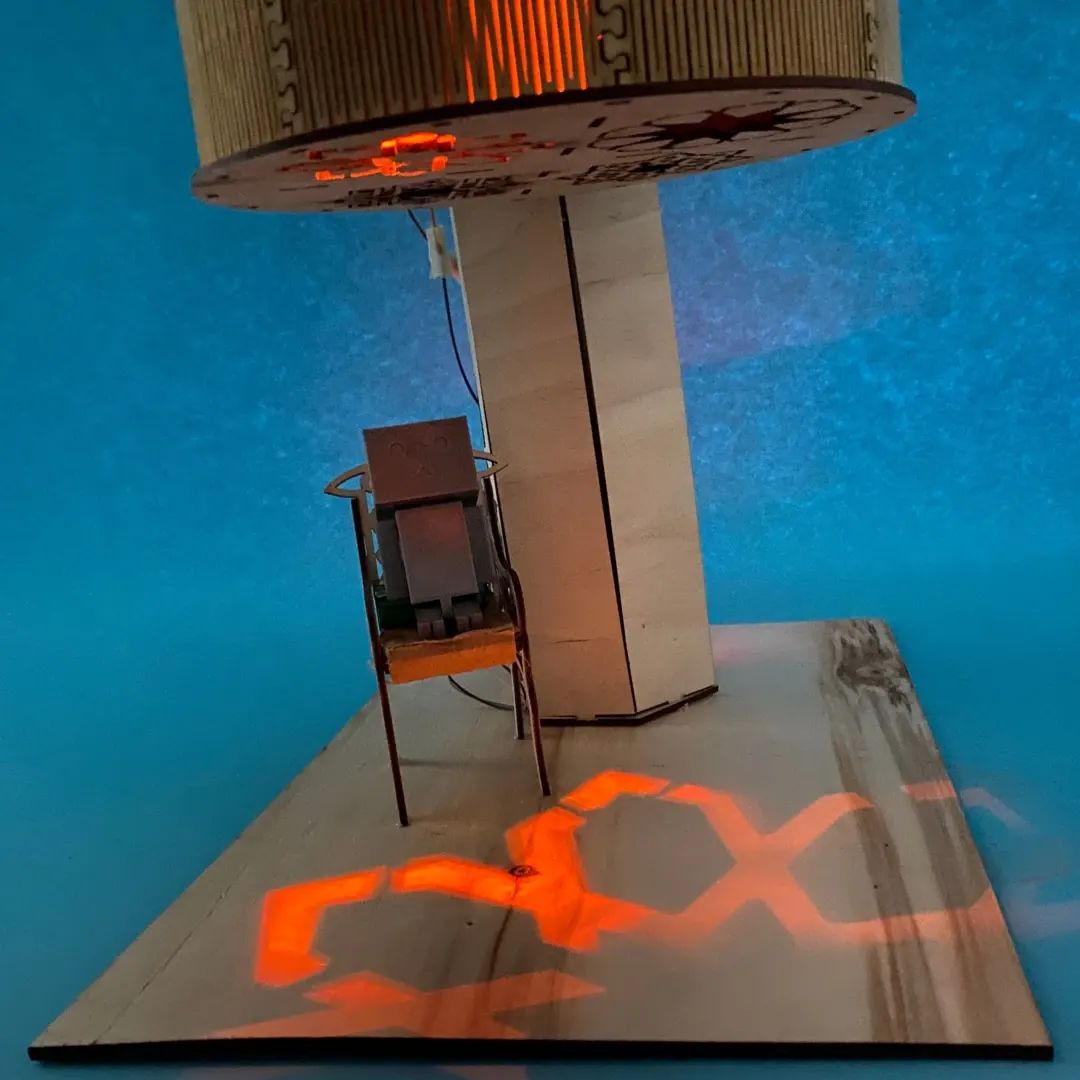
One of my favorite moments was presenting my project during final studio sessions. I remember seeing other presentations and feeling motivated to improve mine. This drive to excel and the sense of community at Karam House has truly changed my personality, boosting my self-confidence and mental clarity.
Graduating from Karam House felt like a significant achievement. I am grateful for the opportunity to volunteer there and continue sharing ideas and learning.
Hisham Al Ahmad
Success is learning from failure
My name is Hisham Al Ahmad, and I’m 18 from Aleppo, Syria. I live in Reyhanli, Turkiye. My family and I have been here since I was eight years old.
My name is Hisham Al Ahmad, and I’m 18 from Aleppo, Syria. I live in Reyhanli, Turkiye. My family and I have been here since I was eight years old.
The journey to safety was not easy. When the situation in Aleppo became too dangerous, my dad made the difficult decision to seek safety in Turkiye. However, crossing the border was challenging. We were forced to abandon everything—our clothes, furniture, all our possessions—and flee with nothing but the clothes we wore. We even had to pretend to be injured to cross in an ambulance, where we crammed with about 40 other individuals. My 2-year-old sister almost got left behind in the chaos.
Despite the hardships, I stayed focused on the positive. I shed the sadness of leaving my home and embraced the hope of a safer future. As I’ve grown older, I’ve come to understand the meaning of war and the longing for home. I dream of one day returning to Syria to help rebuild my country.
I don’t have a Syrian ID or passport; I only have a refugee document. Next year, once I get my Syrian passport, I plan to attend college, where I want to study English literature and Electronic trading.
I joined Karam House in 2013, the first in my family to do so. Since then, three more of my siblings have joined this incredible community. One of the top highlights for me at Karam House was the “Transcribing Generations” studio, where I learned valuable skills and met inspiring people like the agriculture specialist, Aisha, who taught me about farming and much more.
Aisha suffered a lot in her life. She couldn’t go to school and started working since she was 12. During the Syrian conflict, one of her children was martyred, and the other was detained. But despite that, a smile does not leave her face.
This studio was my first experience farming and the first time I worked with an older person who was a professional in their field. Despite all the circumstances and injustice in her life, Aisha taught me faith, patience, sincerity, and to keep smiling in the face of hardship. I am forever grateful to Aisha.
I dream of traveling and studying abroad. I want to take the skills I’ve learned at Karam House and make a difference in the world. Before joining Karam House, I lacked the motivation to learn anything new, but now, I am eager to learn and grow.
Success is not just about achieving your goals but also about learning from failure and disappointment. It’s about perseverance and never giving up—and I never plan on giving up!