Over the past few years, the taboo around mental health has finally begun to fade. As issues such as anxiety, depression, and PTSD make their way into everyday conversation, we can now see just how prevalent they are. And among refugee populations, this prevalence is far greater. Not only is the journey of a refugee often harrowing, but the circumstances they are fleeing from can cause lasting trauma, especially among children and youth.
An estimated 55 percent of refugees in Turkey are in “dire need of psychological services,” while only 5 percent of these psychological needs are being met for refugees in Turkey, Lebanon, and Syria. When left unaddressed, these issues often lead to poor educational and job performance, low financial stability, and increased need for psychological support. Mental health must be considered a basic need in order for refugee communities to overcome the obstacles of their displacement.
Each of our programs, therefore, have incorporated a means for mental health support. Our staff psychologist notes that the three main areas left to be addressed are:
1) The lack of access to safe spaces for adolescent refugees
2) The low capacity and reach of the mental health services currently in existence
3) The lack of research on refugee mental health.
As such, our programs work to fill in the gaps, along with counseling and other community-based interventions. Here is how we offer support:
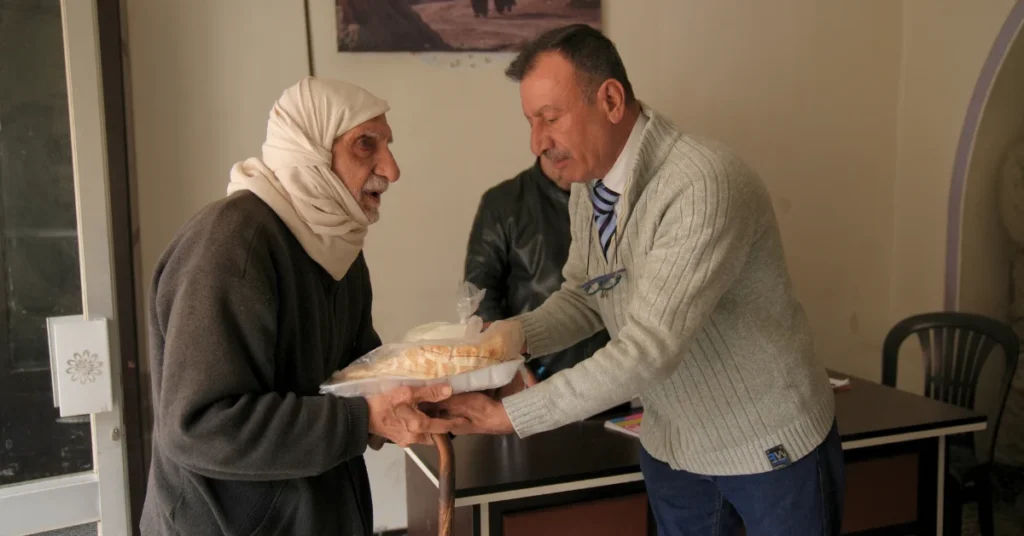
- Karam Families Turkey | The team organizes monthly activities that provide psychosocial support and help families to decrease their isolation — a common problem among refugees in host communities.
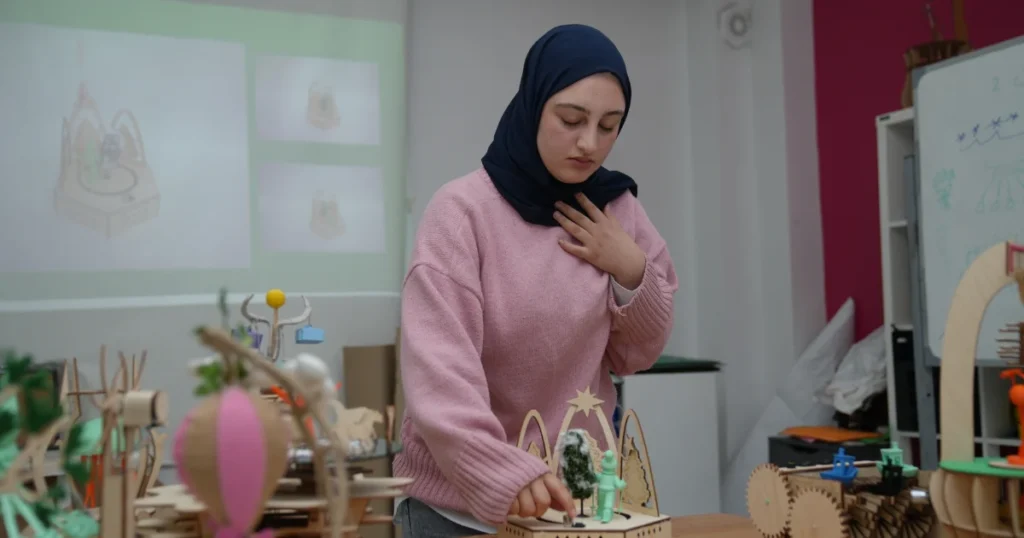
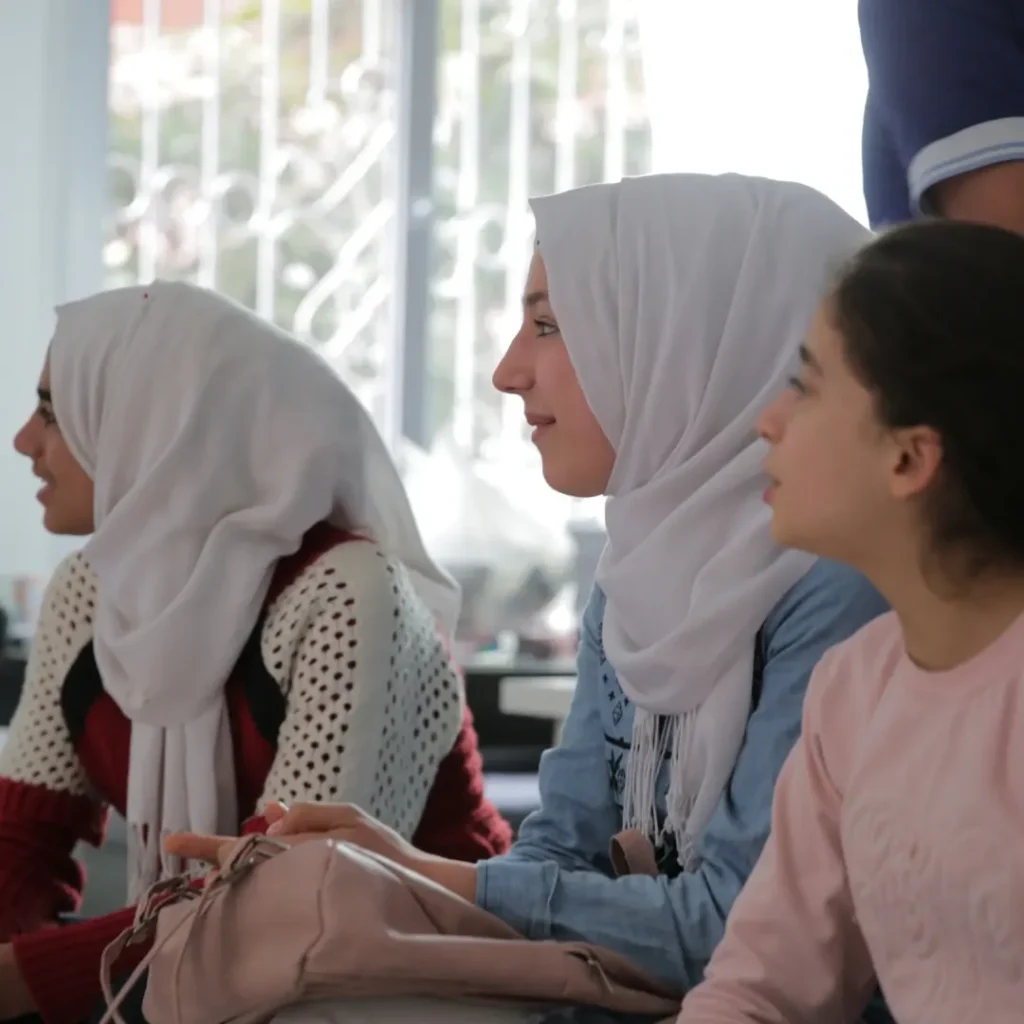
- Karam House | These community hubs are also safe spaces where individuals know they are supported and heard by their peers. Each studio or workshop includes themes of building self-esteem and confidence, which help students face the challenges of their daily lives.
- Karam Scholars | Beyond financial stipends, the team works one-on-one with students to navigate day-to-day obstacles and connect them with the resources and communities that they need to flourish.
Think of how hard it can be to get through the day when dealing with anxiety or depression, how much more challenging simple tasks become. For refugee youth who are working to build their futures, this burden is immense. Our programs work to alleviate this burden by providing support that will help them get to the root of their struggles. We strive to empower them to see in themselves what has always been apparent to us.