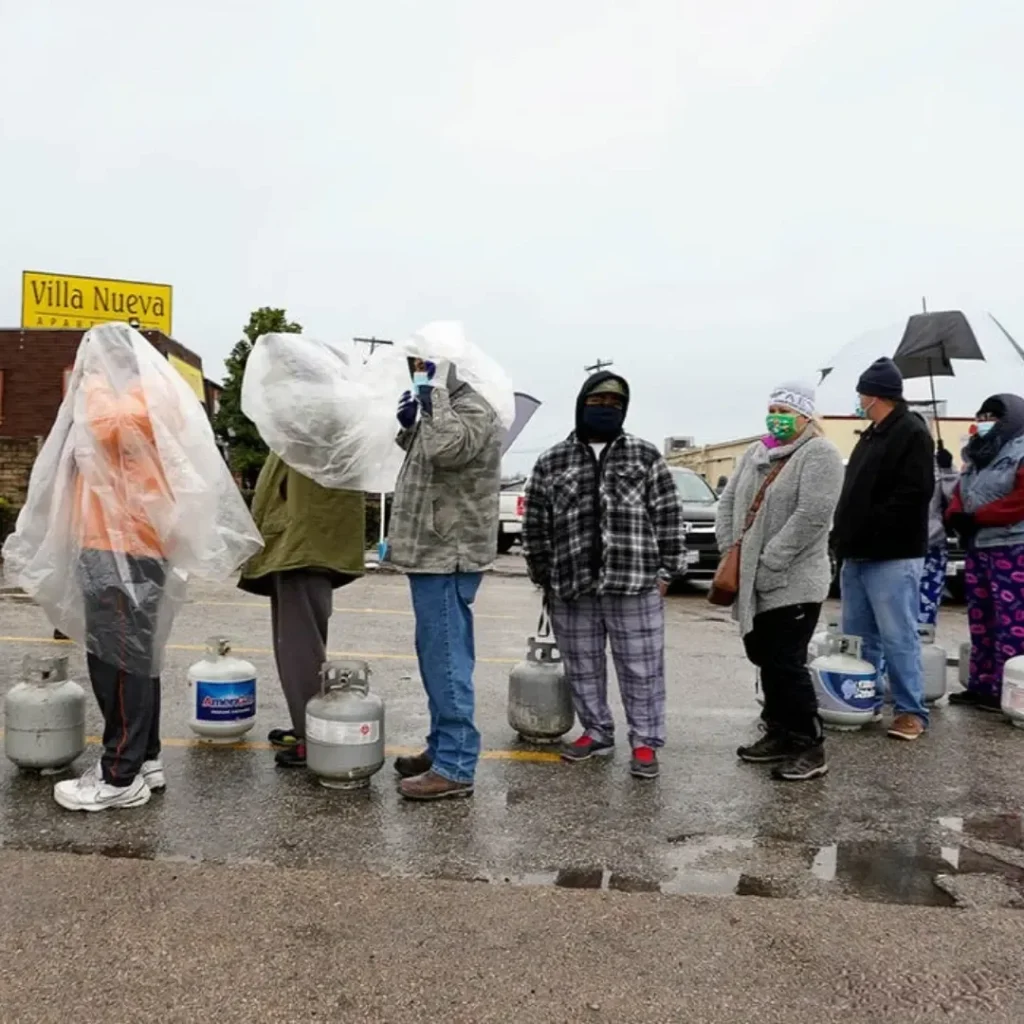
Last week, we watched in horror along with the rest of the nation as Texas and other states were hit with a devastating winter storm. As temperatures dipped well below zero, over four million were left without power and 14 million without access to clean, running water. While power is slowly being restored to residents, the storm has left destruction in its wake. Thus far, nearly 80 people have been reported dead and millions still are faced with limited access to water, food, and fuel.
While the storm has been labeled as “unprecedented,” in actuality, forecasters had been warning of its severity weeks in advance. Even with the early notice, there was little to be done. The antiquated Texas power grid lacks winterization and the political will and financial means to make it happen. The residents of Texas and beyond fell victim to both the elements and global community that fails to pay heed to the rebelling climate. In this way, their struggle and the reasons behind them are shared, however transiently, with the growing number of climate refugees, a group that has been ignored for far too long.
The term “climate refugee” is something of a misnomer. It refers to the people displaced either internally or across borders due to natural disasters and climate change. Whether they be due to drought in Afghanistan, rising tides in the Pacific Islands, or coastal floods in Bangladesh, it is apparent that the regions and reasons generating climate refugees are diverse and growing.
We often think of refugees as resulting from war and political instability. And while both climate change and political strife often come together to create refugees, climate alone will soon be enough to cause displacement and mass evacuation. An estimated 140 million people in Africa, South Asia, and Central and South America alone will likely be internally displaced by 2050 due to the effects of climate change, demonstrating the dire need to include climate displacement in the global discussion on what it means to be a refugee, what they are owed, and how to help.
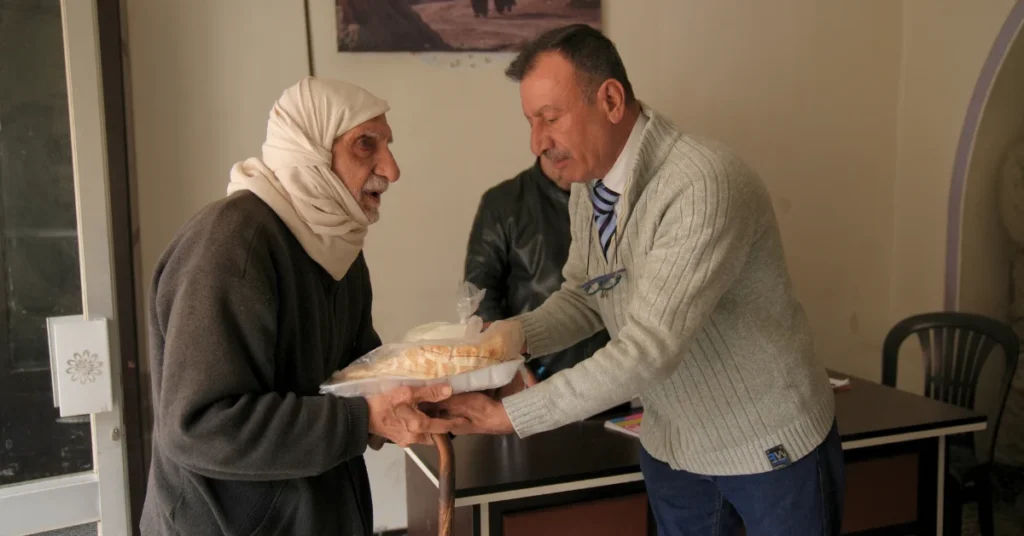
As we come together as a nation to support Texas and surrounding states, remember refugees in northwestern Syria who have been once again displaced, but this time by disastrous flooding, remember those in the Sahel region battling longer dry seasons and dwindling crops, remember the indigenous people in Alaska losing both culture and home to the disappearing sea ice.
At Karam, one of our core tenets is honoring the individuality of all while celebrating our shared humanity and desire for dignity, independence, and a place to call home. Unfortunately, not all share this understanding. The word “refugee” is already straining under the pressure of representing a diverse array of people, cultures, and beliefs. This struggle, coupled with the prevailing one-note schema of what a refugee looks like, puts climate migrants at risk of being forgotten once more. The situation in Texas reminds us yet again that the status quo of ignoring climate change and its human consequences can go on no longer.
Click here for information on how to assist Texas