In honor of Women’s History Month, we want to talk about the concept of complexity: no universal narrative can define what it means to “be a woman.” Each person is a collection of each of their identities and experiences, opportunities, and hardships. Why would women be any different?
It is too easy to limit someone to one of their many identities — to lump all; women, Black people, refugees, or trans individuals into one definition. Each individual is unique, and intersectionality emphasizes this idea best.
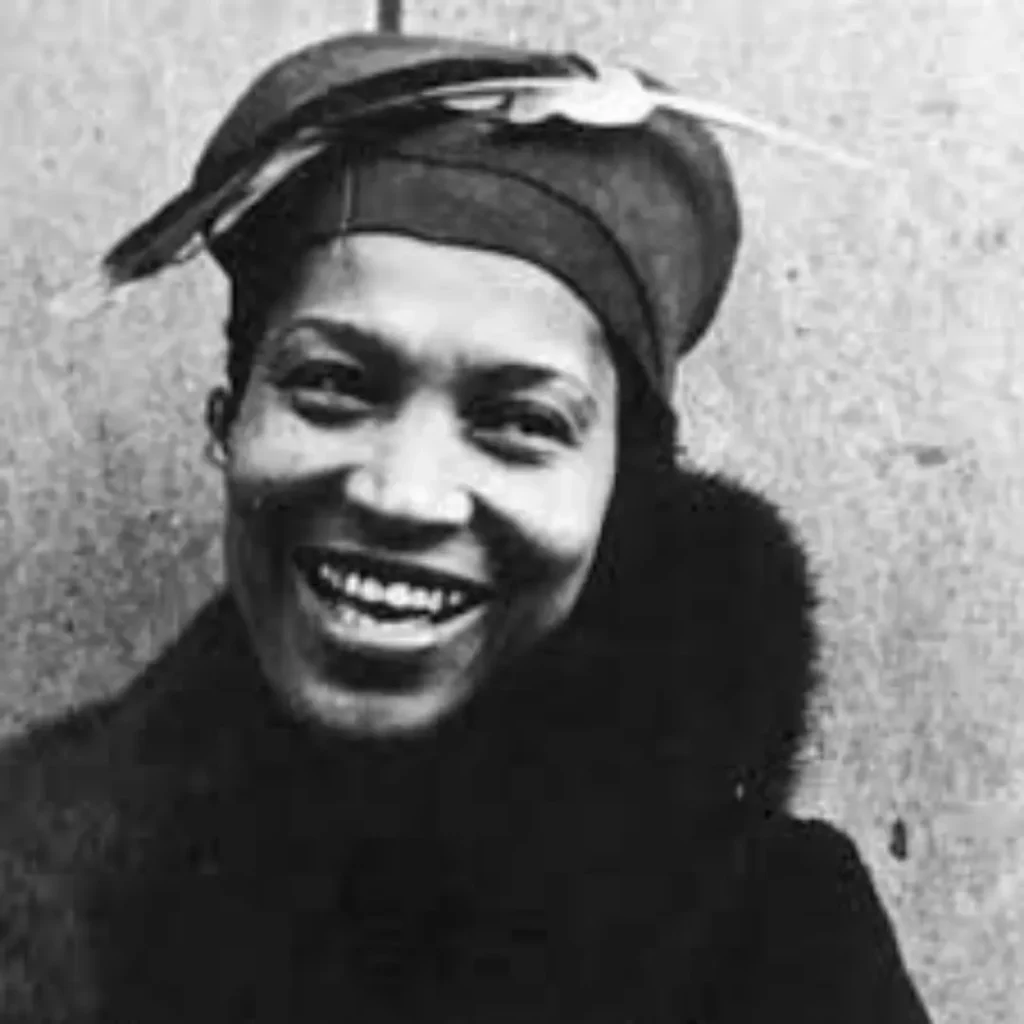
No author celebrates this complexity better than Zora Neale Hurston in Hitting a Straight Lick with a Crooked Stick, a collection of short fiction. Most writers focus on the depth and breadth of a few main characters. Hurston, on the other hand, uses each story to explore how class, race, geography, and happenstance lead a person to where they are. If you pick up a book this month, I hope it is this one.
In, “The Conversion of Sam,” Stella shows us a shy and loyal wife to a rather flighty husband. Meanwhile, Isie in “Drenched in Light,” embodies a more daring and rambunctious child who can’t keep herself in line with her grandmother’s expectations of her. As we near the end of the collection, we meet Missie May in “The Gilded Six-Bits,” a character that surprises the reader with her ability to betray and self-indulge.
This book aims to remove the universality of any identity, to inspire us to live with the fluidity and uniqueness of each person. Hurston tends to focus on race, gender, and class, but her work inspires us to carry this mindset into ability, sexuality, geography, and immigration status. This lesson she teaches is timeless and universal.
What is it that she asks of us as readers? She asks us to listen to the stories around us. To validate each lived experience of each individual. To actively dismantle the walls we have enclosed others and even ourselves in. When we do this, we can truly celebrate the richness and nuance of what it means to be a human on this earth.
This lesson was not without its disagreement. Looking at her works through the lens of race, Zora received criticism from some members of the Black community for her portrayal of certain Black characters in her stories. They accused her of reinforcing harmful Black stereotypes and therefore stunting the progress of the justice movement. She saw it differently. She didn’t want Black people to have to conform to the white person’s ideal. Instead, she wanted to break down the limitations Black people faced, celebrate their complexity, and find moments of joy in spite of circumstance.
What a powerful way to celebrate our humanity: to look at ourselves as we are right now — without thinking of what we could be or should be — and believe we are worthy. Despite the struggles she has endured, Hurston was quick to laugh. I can’t help but wonder if it’s because she had this deeper understanding of us, that each moment of joy in a system operating against her was a piece of her life she took back. She gave credence to the common experiences of certain identities without locking herself into them.
We shouldn’t either.
So, this Women’s History Month, if you’re looking to celebrate women and liberate them (us) even more, I recommend picking up a copy of this book from your local library or independent bookstore (or Bookshop.org for an online option). You’ll find yourself letting go of the many ideas we have about what it means to “be a woman.” You might even find it easier to appreciate the power in embracing uniqueness rather than conformity.
So, Happy Women’s History Month! In true Zora Neale Hurston fashion, we hope you celebrate whatever way feels right for you.