Why We Empower
Many non-profits aim to shock their audiences through sharing graphic images of individuals they are serving. This approach has definitely proven effective at collecting donations.
As a donor, you see someone suffer and you are told you can save them by giving to this organization. It seems easy. The organization then benefits from the donation, and the donor feels the satisfaction of having saved a life. While it is an effective fundraising strategy, the negative effects of this approach can be quite high.
-
The organization feels and looks like a savior.
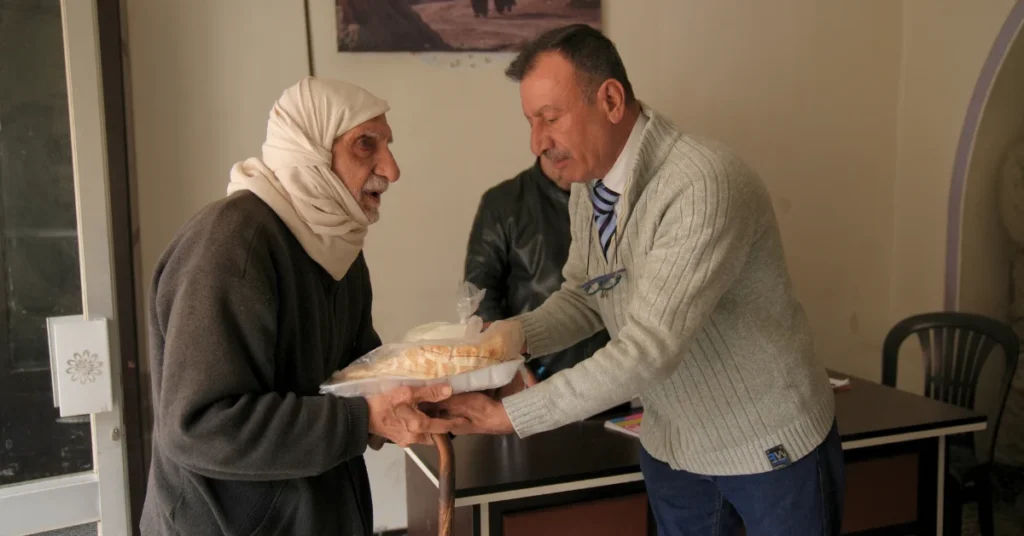
It is dangerously easy for an organization to look like a savior. When an organization paints its beneficiaries as dependent on them, it begins to believe it as well. We are shaped by how we see those around us. This savior complex can inhibit an organization from providing opportunities for empowerment to the people they serve, which can limit their growth. It is a limited view of what a population is going through. The organization appears as the only answer to the problem, and they fail to recognize the complexity. For instance, providing emergency aid is incredibly important — it saves lives that need to be saved. However, saving a life doesn’t save the individual. The individual needs opportunity, empowerment, and choice in order to have a bright future. The savior complex makes an organization look and feel like the be-all-end-all of what is actually a complex situation.
-
The donor perceives an entire population as victims.
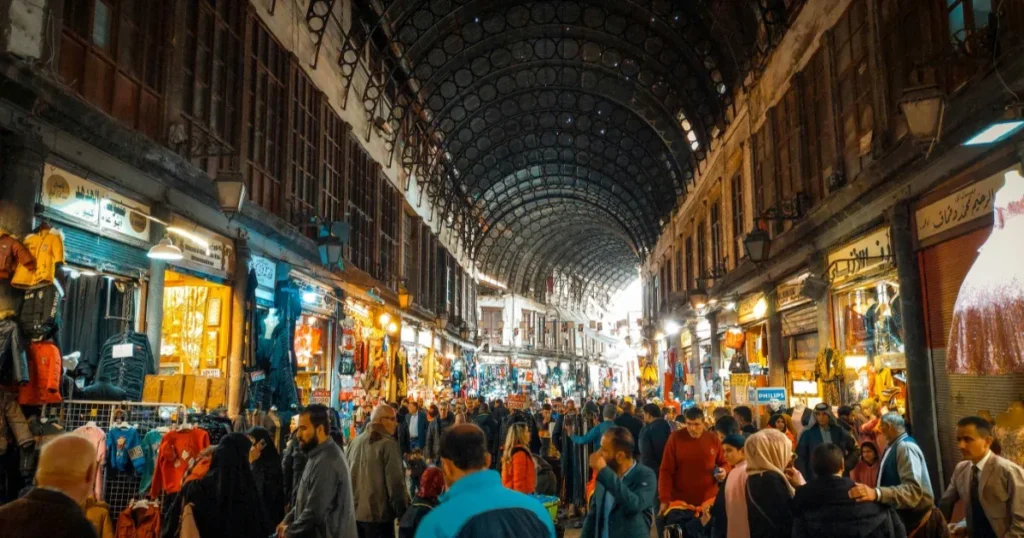
For many individuals, the only awareness of and interaction with a population is through charitable giving. Take the Syrian refugee crisis, for example. Chances are, few Americans have had contact with Syrian refugees in their daily lives. When an organization publicly victimizes Syrian refugees, it is likely that their audience has not had other interactions with Syrian refugees that would offer a more self-sufficient and capable image. It then becomes easy for donors to see the population as weak and themselves as strong. People are in need of service due to unfair and unjust circumstances, not because there is something fundamentally lesser about them. This mindset is harmful when trying to create a more equal and fair world.
-
The beneficiaries lack the empowerment to fulfill their potential.
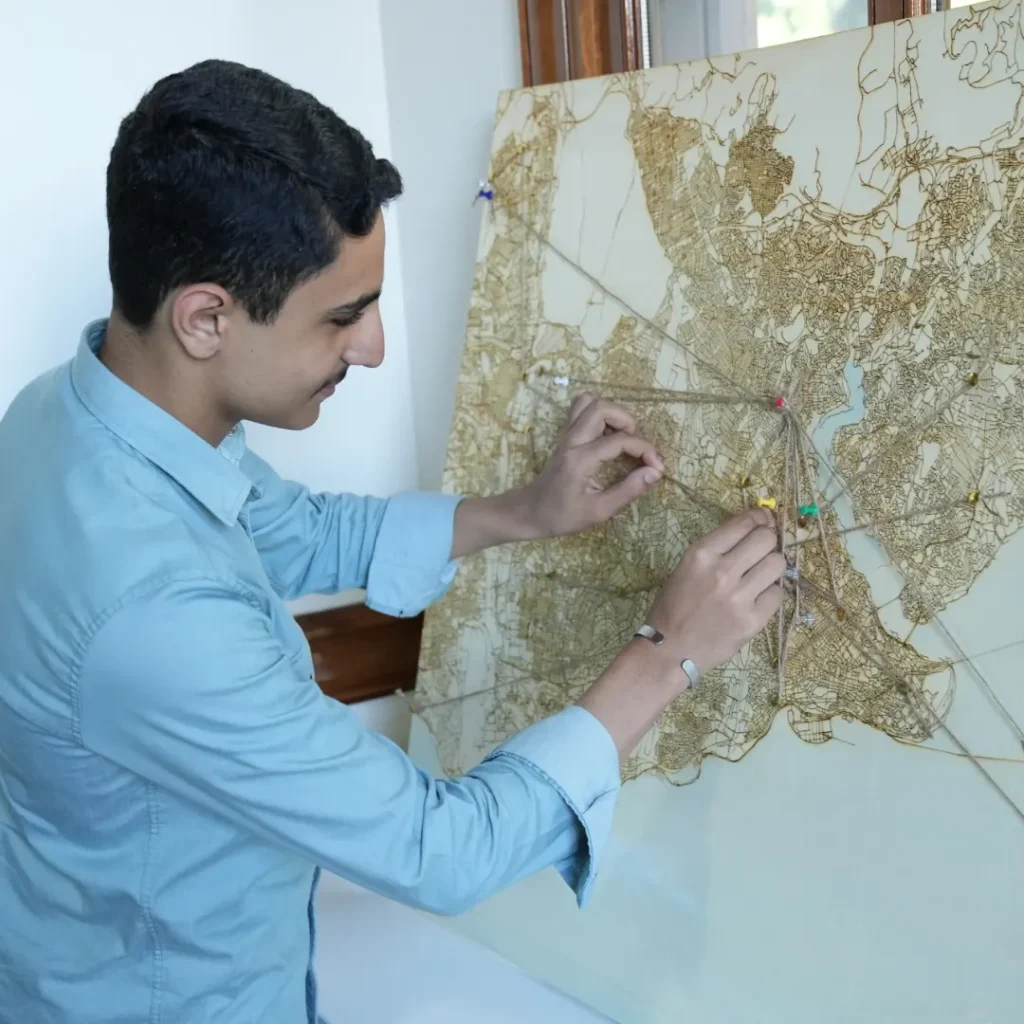
If an organization victimizes the population it serves, the people will feel like victims. Even though they may have been through distressing experiences, they deserve to feel dignity. In fact, they should feel even stronger as they have made it to the other side of a challenge that most of us have never been forced to endure. Empowerment will help them see themselves as individuals deserving of bright futures and opportunity; victimhood will make them see themselves as dependent and incapable. Without belief in their own strength, it would be nearly impossible for them to fulfill their potential.
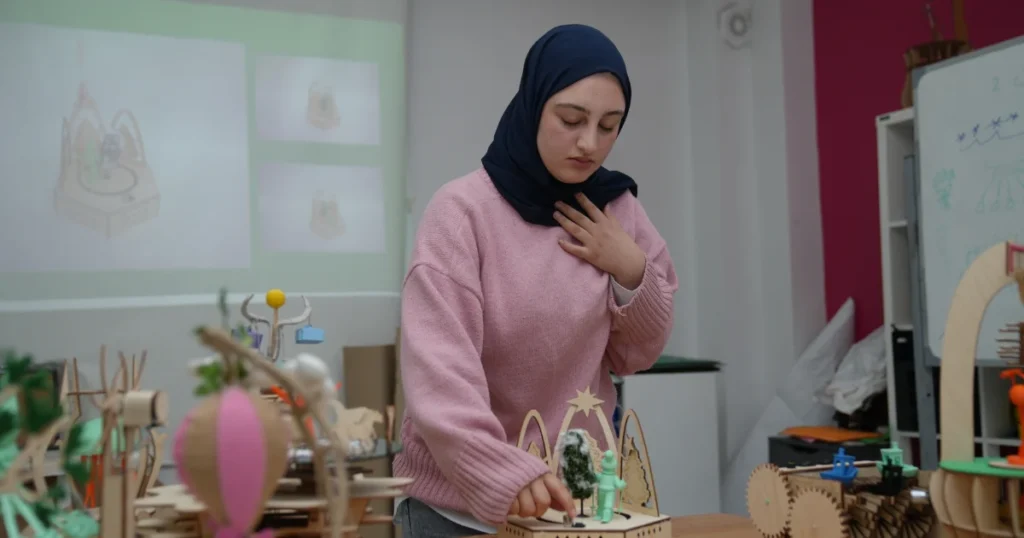
As a non-profit organization, Karam prepares young refugees to step into the path of leadership, providing holistic support to them and their families. This is vital work, and it cannot be done alone. We have staff, volunteers, and partners all over the world.
Above all, we believe in radical generosity. At Karam Foundation, we seek to restore the dignity and quality of life for people affected by conflict by eliminating barriers to success through innovative education, entrepreneurial development, and community-driven aid. Guided by the aspirations of the people we serve, we pursue this mission with compassion, transparency, and generosity.