Ramadan has a lot of traditions, some that are alive until this day, others have changed since the Syrian conflict. One big part of Ramadan growing up is the Mesaharati or “The dawn caller of Ramadan.” The word Mesaharati comes from Suhoor; the meal Muslims eat before dawn and before fasting starts. In the old days, the Mesaharaty used to wake people up by knocking on their doors and calling them by their names, one door at a time. Then, everyone knew each other, and there was a Mesaharati dedicated for each neighborhood.
Later on, when the neighborhoods got bigger, and a lot more people lived in the same area, the Mesaharaty evolved from knocking on people’s doors to having a stick and drum, drumming the night away and singing “Ya naim Wahed el Daim. Omo Ala el Suhoor.” “Those who are asleep, get up and pray, get up and have suhoor.”
The Mesaharati tradition dates thousands of years back, it’s a tradition that is favored by kids, who once they hear him coming, run to the streets dancing on his rhythm and chanting to his beat. It’s a favorite to mothers as well because it’s a reminder to wake up and prepare a meal for the familyThe Mesaharati makes waking up at 4:00 AM easier— it’s that excitement of a singing voice and a rhythm that an alarm cannot offer. Once the whole family is awake and the meal is ready, they turn on the TV to listen to Tawfiq al Munajed and The Singing Choir of Damascus singing Ramadan songs live from Umayyad Mosque.
Plates clicking, water glasses passing, and eyes barely opening. It’s that last sip of water right before al muazzin calls for the morning prayer.
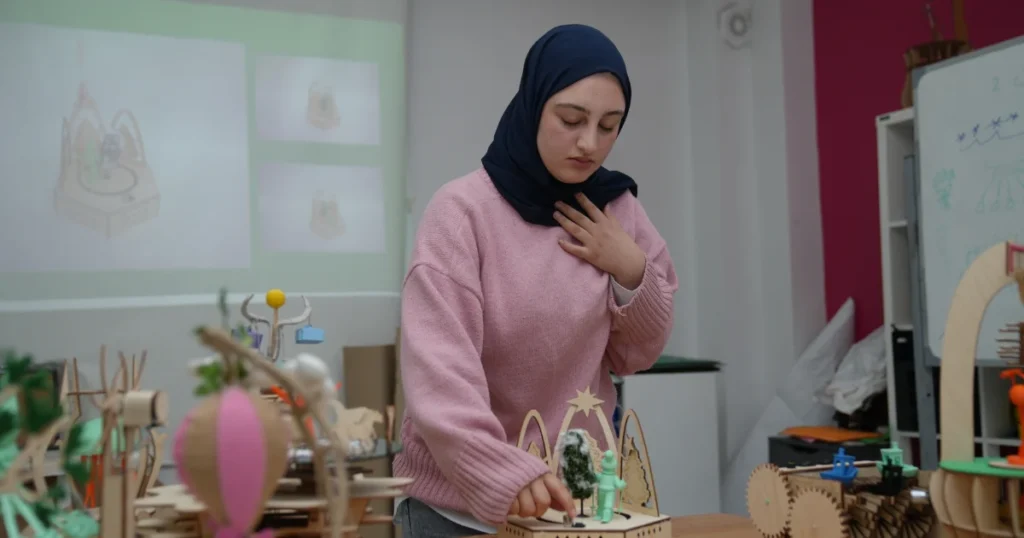
When asked about her favorite memory from past Ramadans, Sima from Karam House said: “My favorite part of suhoor was when my mother would wake us up, and the smell of toasted bread and hot tea would fill the entire house.”
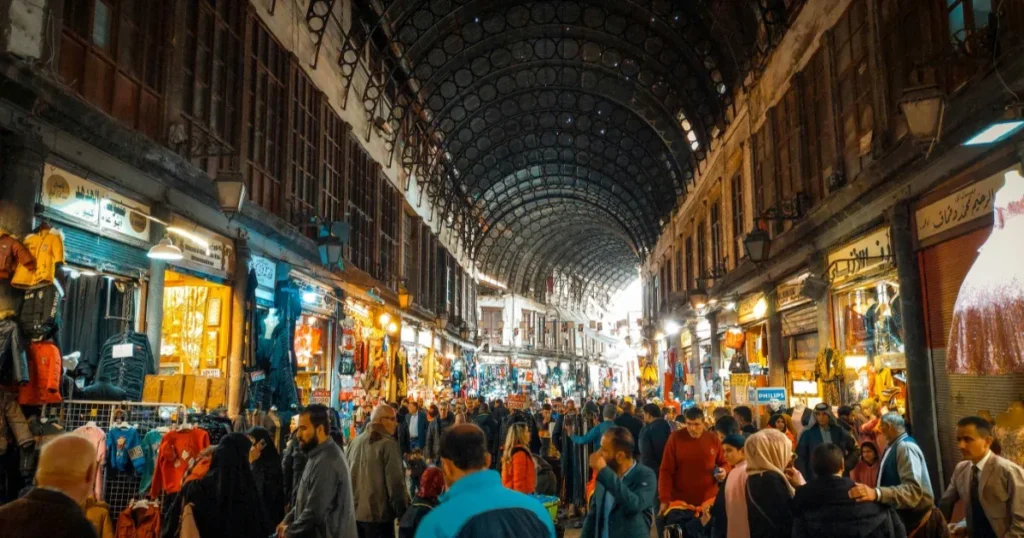
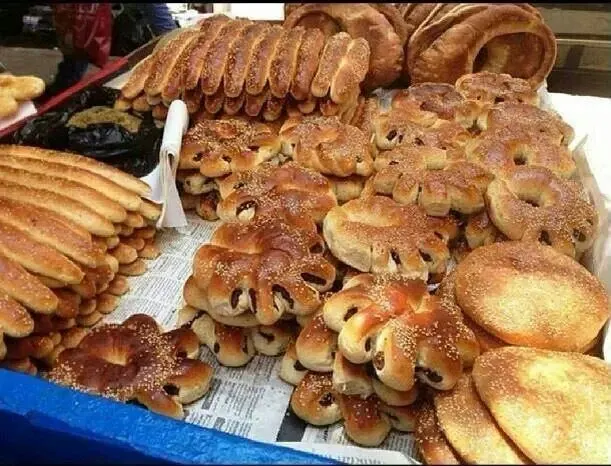
Now, Ramadan can’t be complete without Ma’rouk Ramadan (Sweet Bread) or Na’aem Bel Debes (Wafer thin, crispy bread). Whether bought from street sellers roaming around the city between small alleyways of old Damascus, or Syria’s best bakeries in Aleppo’s streets.
Ma’rouk Ramadan comes with different fillings such as dates, chocolate, or sprinkled with sugar. It is best consumed warm out of the oven, when the tips of your fingers dance around the edges of the bread burning, until the first bite reaches your mouth savoring every last bit of it.
On the other hand, the Na’aim which means “soft” in Arabic, is the opposite of its name. It’s this thin, crispy bread topped with drizzled grape Molasses. It’s the craving for sweet taste after a long day of fasting. The first bite of crunchiness and the stickiness on your fingers after eating the massive bread whole, is our favorite part of Ramadan.